
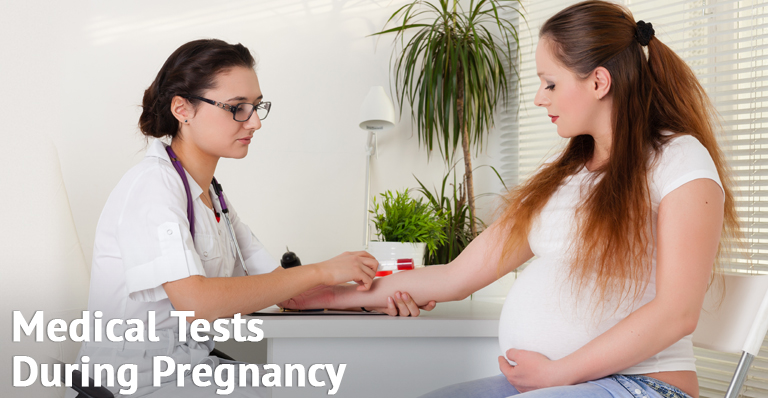
As a part of your antenatal care you’ll be asked to do some blood investigations. Some are offered to all women, and some are only offered if you might be at risk of a particular infection or inherited condition
CBC:
CBC (complete blood count) is a test that evaluates different types of cells in the blood. This test helps to determine the count of red blood cells, white blood cells, hemoglobin level and platelet count ect. You will have to get this test done during the early weeks of pregnancy (11- 13 weeks), or whenever your doctor suggests it. It helps to ensure the normal blood profile and mainly to detect anaemia and presence of infection
RBS/FBS/PPBS:
The test is important for all pregnant women since diabetes is particularly common in India. So you are asked to take random blood sugar. If you have had a family history of diabetes or in your previous pregnancy, you might be tested for fasting and post prandial blood sugar during the first visit itself.
Blood grouping and typing:
Your blood group can be A, B, AB or O and it can be Rh positive or Rh negative. Knowing your blood group in advance will helps to arrange for blood transfusion in the emergency situation. Rh typing helps to detect and treat the in-compatibility and haemolytic disease for foetus and new born baby.
HIV I & II:
HIV is a virus that attacks certain cells of the body’s immune system and causes AIDS. If the mother has HIV, there is a chance that it can be passed to the baby. During pregnancy and delivery, the mother can be given medication to reduce the risk of transmission to the baby.
VDRL:
VDRL test is performed to detect syphilis. Though rare, it can cause abnormalities in the baby.
HbsAg:
Hepatitis B is a virus which cause jaundice. You may be having the virus without having jaundice then you are called as carrier of hepatitis B. if HbsAg is positive , you may pass the virus to your baby at the time of delivery, you may transmit the infection to the health care professionals who is attending you. By knowing you are a carrier, by give active and passive immunization to your baby can protect from virus. It may helps to take special precautions to our health care professionals to avoid acquire infection.
Urine routine:
Urine is tested for sugar and protein(albumin). Presence of sugar in the urine may be a sign of diabetes. Presence of albumin in the urine indicate urinary tract infection, kidney disease, or high blood pressure that occurs in late pregnancy. The urine test also used to check for infections of the bladder and kidneys. If these problems occur, they can be treated.
FreeT3, FreeT4 & TSH:
Thyroid profile is evaluated to diagnose the thyroid dysfunction. If you have had hypo or hyperthyroidism, the medicine dose need to be adjusted during pregnancy.